

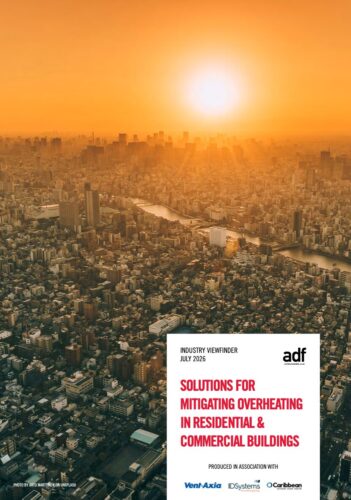
Since the introduction of the 2021 amendments to the UK Building Regulations, including Part L (Conservation of Fuel and Power), new buildings have become significantly more energy efficient through improved insulation and increased airtightness. While these changes are helping to reduce energy demand and carbon emissions, they have also introduced a growing challenge: the risk of overheating.
Designing buildings that meet the requirements of Part L while also complying with Part O, which focuses on mitigating overheating in residential buildings, requires careful consideration. Without effective ventilation strategies and appropriate passive or active cooling measures, highly insulated buildings can become uncomfortably, and in some cases dangerously, warm during periods of hot weather.
As the UK experiences increasingly frequent and intense heatwaves, overheating is no longer a future concern but a present-day reality. During the record-breaking temperatures of recent years, schools have closed, infrastructure has come under pressure, and buildings have struggled to maintain safe internal temperatures. In 2022 alone, nearly 2,900 heat-related excess deaths were recorded across the UK during periods when temperatures exceeded 40°C, highlighting the very real impact overheating can have on health and wellbeing.
This white paper explores the growing challenge of overheating in modern buildings, examining how designers, developers and manufacturers can work together to create buildings that are not only energy efficient, but also resilient, comfortable and safe in a warming climate. As temperatures continue to rise and urban environments become denser, addressing overheating will be essential to delivering truly sustainable buildings.
Request the full report
Tagged
OrganisationsCaribbean Blinds IDSystems Vent-Axia