
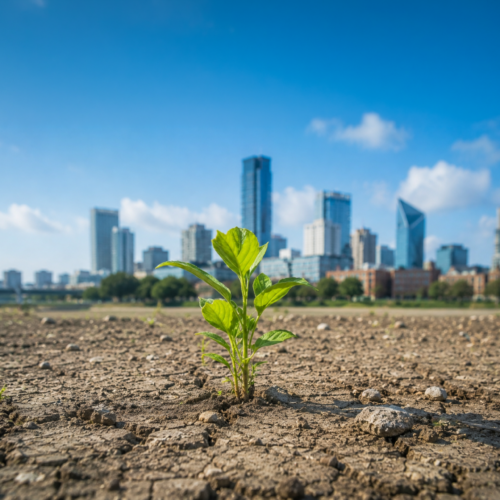
The built environment stands on the frontline of climate change. Rising temperatures, more frequent heatwaves, increased flood risk, prolonged periods of drought, extreme weather events and biodiversity loss are already having a profound impact on how we design, construct and manage buildings across the UK.
For instance, with most new build homes being planned in areas at risk of not only flooding, but also drought, the need to consider resilience and resource efficiency to mitigate developments’ impact against a range of factors, is imperative. Climate resilience is no longer an aspiration – it is becoming an essential consideration for every stage of the planning, design and development process. As climate risks continue to evolve, resilience is fundamental to creating buildings and communities that are safe, adaptable and capable of delivering long-term value.
The Climate Resilient Design Conference will bring together architects, developers, planners, engineers, local authorities, housing providers and sustainability leaders to explore how the built environment can adapt to these growing challenges. Combining strategic insight with practical guidance, the conference will examine how climate resilience is influencing planning policy, development, design and long-term asset performance, helping delegates create buildings and communities that are better prepared for the future.
As planning policy, environmental legislation and client expectations continue to evolve, the industry faces increasing pressure to design developments that not only reduce carbon emissions but are also capable of adapting to a changing climate throughout their lifespan. From mitigating overheating and managing surface water to incorporating Biodiversity Net Gain, nature-based solutions and designing for long-term operational performance, climate resilience is becoming a defining principle of planning, architecture and development.
Throughout the day, delegates will hear from leading industry experts, policymakers and practitioners who are delivering innovative solutions across the built environment. Through keynote presentations, expert panel discussions, a dedicated Expert Insight session and technical presentations, delegates will gain practical insight into emerging regulations, planning policy, industry best practice, innovative technologies and the real-world solutions helping to shape more resilient buildings and communities.
Key themes will include climate adaptation, planning policy, Biodiversity Net Gain (BNG), passive design strategies, flood resilience, sustainable drainage systems (SuDS), overheating mitigation, resilient building materials, urban greening, water management, digital technologies, healthy buildings and designing for long-term environmental performance.
More than simply responding to climate change, the conference will focus on how resilient design presents an opportunity to improve the quality, value and longevity of our built environment. By embracing innovation, sharing best practice and fostering cross-sector collaboration, the event aims to equip delegates with the knowledge and practical solutions needed to create buildings and places that are better prepared for the climate of tomorrow.
Whether working on new developments, regeneration schemes or retrofit projects, delegates will leave with practical knowledge, actionable insights and valuable industry connections, along with a clearer understanding of how climate resilience, planning policy and innovative design can be successfully integrated into every stage of the development lifecycle.